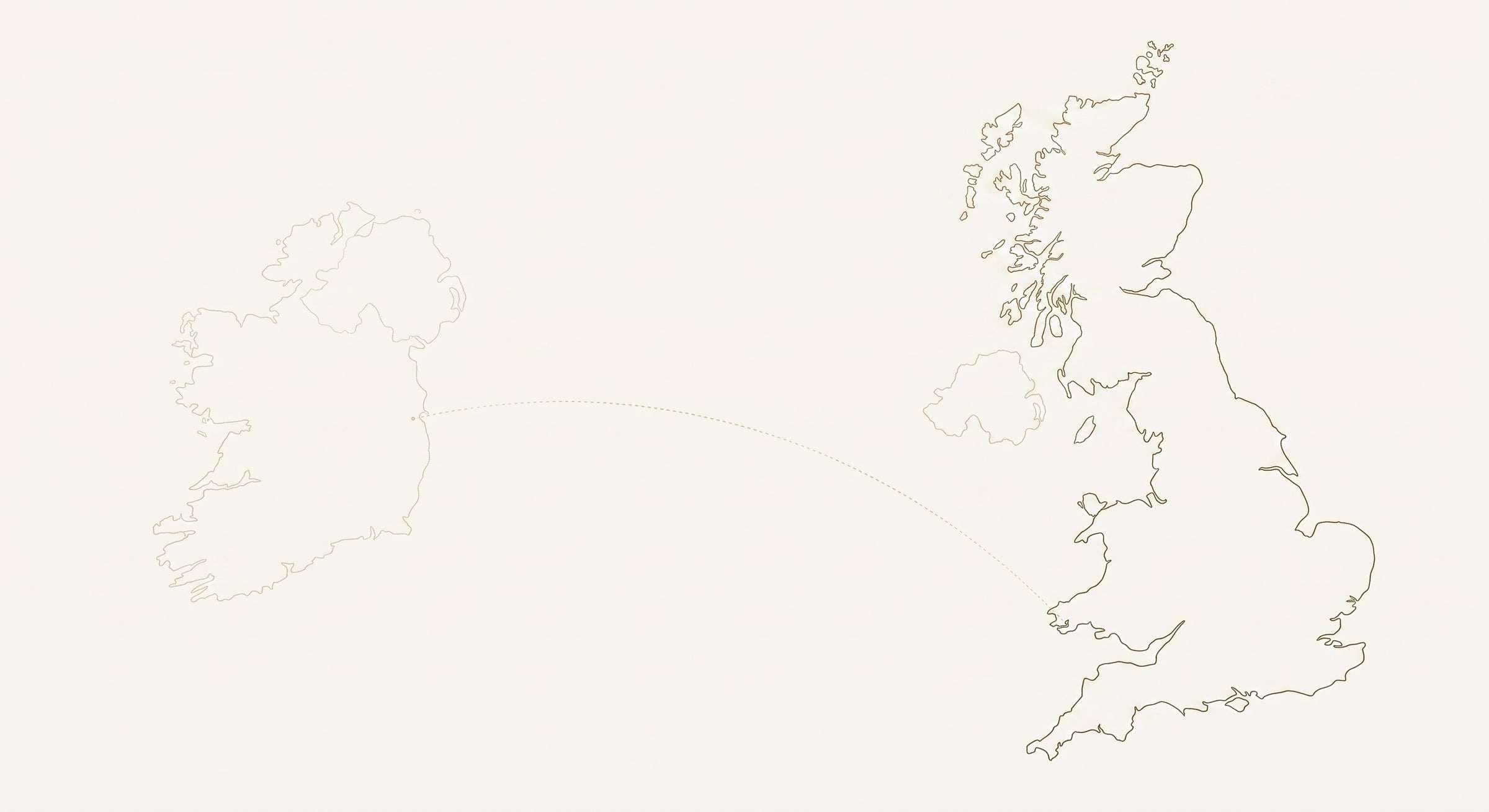
Why we came to England
Drive out of almost any English town and you’ll see the same two things. Villages where young families and local workers can’t find a home they can afford. And farmland around them where the meadows, hedgerows and wet corners that wildlife needs have been disappearing for a generation.
We usually treat those as separate problems, with separate budgets and separate experts. They aren’t separate. They’re competing for the same land. NeighbourWood exists because we think they can be solved together, and that each can help rebuild the other.
What England made possible
In February 2024, England did something important. It made most new development leave nature at least 10% better off than it found it. It’s called Biodiversity Net Gain. When a developer can’t do that on their own site, they pay for habitat somewhere else, and that habitat has to be secured for at least 30 years.
That rule created something that didn’t exist before: a market that pays to restore nature. It isn’t perfect. Thirty years is a short time for a woodland. Much of the new habitat sits a long way from the people whose homes paid for it. But it means that restoring a field of wildflowers or a stretch of wetland can now pay its way.
We want to take that further. Pair each restored habitat with homes nearby, for the people who need them. Plan them together from the start. Give residents access to that habitat. And design the arrangements so the nature lasts long beyond the legal minimum.
What we learned in Ireland
We spent the last few years designing this model in Ireland. We worked on the legal structures, the numbers and the science of measuring nature’s recovery, including a research partnership with Trinity College Dublin. And we learned that people want this: more than 125 households asked about buying our homes before we had a single site.
We also learned what we don’t know. Every piece of land is different. The mix of habitat, how much of it people can walk in, and how many homes sit alongside it all have to come from the land itself. So we won’t promise you a formula. We’ll show you each scheme’s real figures when its site is confirmed.
What we’re doing first
We’re choosing our first sites now. That means talking to three key groups of people.
- Landowners and farmers who might put part of their land into habitat, with an annual payment. And owners of registered habitat banks whose units haven’t sold yet.
- Housing associations, community land trusts, parish councils and builders who want to bring forward small rural schemes with nature built in.
- Households who’d like to live in a place like this. There’s nothing to buy yet, but telling us where you’d want to live helps us choose where to start.
We’ll be honest about progress, including what’s slow. There will be plenty of that. Planning takes time, and so does nature.
Why we’re here in person
We moved our family to England to do this on the ground. It’s the kind of work that depends on trust: walking the land with a farmer, sitting in a parish hall, listening to what a village actually needs. If we’re building something, we’re here to live it too.
If any of this sounds like you, we’d love to hear from you. Talk to us.